
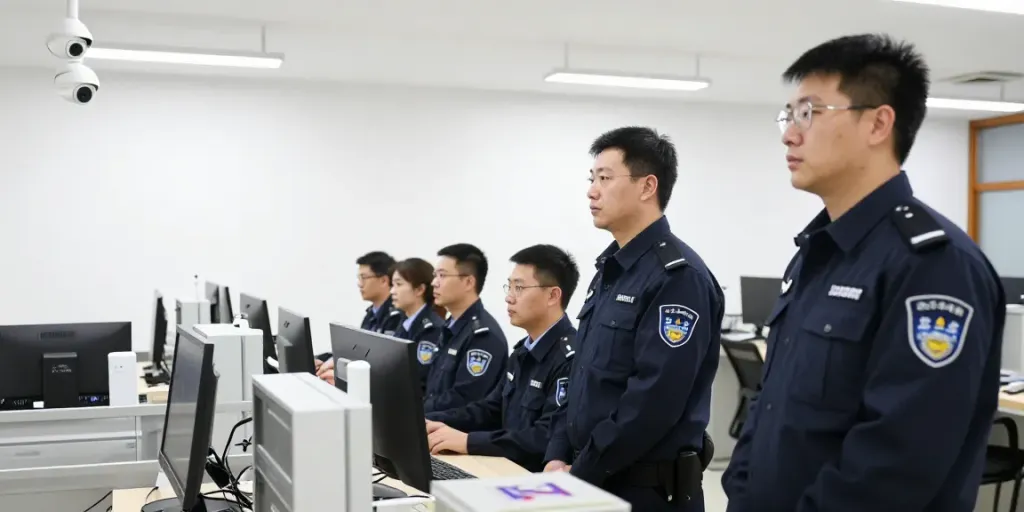
Understanding Corporate Security: Key Concepts
In today's rapidly evolving business environment, the importance of corporate security cannot be overstated. It plays a critical role in safeguarding an organization's assets, personnel, and information against both internal and external threats. Corporate security encompasses various functions, including risk management, loss prevention, and emergency response strategies. By adopting a comprehensive approach to security, businesses can protect themselves from vulnerabilities and ensure their operations run smoothly. When exploring options, Corporate Security offers a wealth of expertise and resources that can help organizations enhance their security posture.
What is Corporate Security?
Corporate security refers to a set of measures businesses implement to prevent, detect, and respond to risks that could impact their operations. This can involve physical security like guards and surveillance systems, cybersecurity to protect digital assets, and policies to manage insider threats and employee compliance. A well-structured corporate security plan is tailored to the specific context of the business, taking into account its size, industry, and unique threats it may face.
Importance of Corporate Security in Modern Businesses
As companies increasingly rely on digital infrastructure and face complex global threats, prioritizing a robust corporate security strategy is vital. Effective corporate security is essential not only to protect tangible assets but also to maintain corporate reputation, ensure regulatory compliance, and foster stakeholder trust. The ramifications of security breaches can be severe, leading to financial losses, legal consequences, and damage to the brand. Thus, investing in corporate security is not merely a precaution; it is an integral part of strategic planning for long-term success.
Components of a Robust Corporate Security System
A comprehensive corporate security system typically consists of several fundamental components, including:
- Physical Security: Guards, access control systems, and surveillance cameras help deter unauthorized access and protect facilities.
- Cybersecurity: Firewalls, anti-virus software, and data encryption safeguard against digital threats and breaches.
- Incident Response Plan: A defined protocol for responding to security incidents, ensuring quick and effective mitigation of damage.
- Employee Training: Regular training sessions equip staff to recognize threats and act appropriately in emergencies.
- Policy Development: Clearly articulated security policies guide employee behavior and set expectations for and responses to potential security issues.
How to Choose the Right Corporate Security Provider in London
Selecting the appropriate corporate security provider can make a significant difference in ensuring your organization's safety and compliance. With the plethora of options available on the market, it's crucial to approach this decision with a keen sense of diligence. The following sections offer guidance on how to choose the right provider to meet your unique needs.
Factors to Consider When Selecting a Security Company
When evaluating potential security providers, consider the following key factors:
- Experience and Expertise: Look for a provider with a proven track record and specific expertise in your industry.
- Accreditations: Ensure the company holds necessary licenses and certifications, such as SIA and NSI Guarding Gold, which signify adherence to industry standards.
- Range of Services: Choose a provider that offers the specific services you need, whether it's physical security, cybersecurity, or risk management.
- Technological Integration: Assess whether they leverage the latest technology to enhance security measures, including monitoring systems and data analytics.
- References and Reviews: Seek testimonials from previous clients to gauge customer satisfaction and reliability.
Questions to Ask Potential Providers
To ensure you're making an informed choice, consider asking potential security providers the following questions:
- What is your experience working with businesses in our industry?
- Can you provide references or case studies from similar organizations?
- What accreditation do you hold, and how often are you audited?
- What is your approach to incident response and recovery?
- How do you maintain the training and competency of your security personnel?
Understanding Licensing and Accreditation
In the UK, private security companies are regulated by the Security Industry Authority (SIA). This body ensures that all security personnel are appropriately licensed, trained, and vetted. When selecting a corporate security provider, check for their SIA accreditation and any additional certifications like ISO 9001, which reinforces their commitment to best practices and quality management. These credentials indicate a company’s professionalism and adherence to legal requirements.
Cost Breakdown: What to Expect from Corporate Security Services
Understanding the costs associated with corporate security services is crucial for budgeting and decision-making. The financial implications can vary greatly depending on the services required, the location, and the complexity of your security needs.
Average Pricing for Corporate Security in London
Typically, security companies in London charge between £12 to £20 per hour for basic security guard services. For specialized services, such as close protection officers or security consulting, rates may increase significantly, reaching £30 to £60 per hour or more, depending on expertise and demand. Be sure to obtain formal estimates that break down the costs based on the services you require.
Factors Influencing Security Service Costs
Several elements can influence the cost of corporate security services, including:
- Service Complexity: More comprehensive or bespoke security services typically carry higher costs.
- Duration: Longer contracts may offer lower hourly rates compared to short-term engagement.
- Geographical Location: Rates may vary depending on areas within London, with central locations generally commanding higher prices.
- Personnel Requirements: The number and level of expertise required for your security staff will impact overall costs.
Cost vs Value: Investing in Corporate Security
While the costs of corporate security services can be a significant concern, it is essential to view them as an investment rather than an expense. The potential losses from security breaches—financial losses, reputational damage, and legal expenses—often far exceed the expenses involved in securing your business. Therefore, evaluating the value provided by security firms in terms of peace of mind, operational integrity, and regulatory compliance is paramount.
Customer Reviews and Testimonials: Building Trust
In the corporate security industry, trust is vital. An informed decision hinges not only on recommendations and awards but also on customer reviews and testimonials that reflect actual experiences with a service provider.
Importance of Customer Feedback in Security Services
Customer reviews provide valuable insight into a security company's reliability, effectiveness, and service quality. They offer a real-world perspective on how a company operates and whether it meets its commitments. Security providers that prioritize customer satisfaction frequently encourage feedback and proactively address concerns, which is a positive indicator of their dedication to service.
Highlighting Positive Experiences from Local Clients
Choosing a security provider recognized for their positive impact in the local community can enhance trust. Explore client testimonials that specifically highlight effective threat management and incident resolution. Businesses in your vicinity may have similar security needs, and their success stories can provide confidence in choosing a provider.
Common Pitfalls to Avoid in Security Partnerships
When selecting a corporate security company, be aware of potential red flags:
- Lack of Transparency: Reliable security companies divulge their policies, pricing structures, and service agreements upfront.
- Unverified Credentials: Always verify accreditations and assess whether the company meets industry standards.
- Insufficient Communication: A good security partner will be willing to maintain open lines of communication about any concerns, adjustments, or operational strategies.
FAQs About Corporate Security Services
How Much Do Corporate Security Guards Get Paid?
In the UK, corporate security guards typically earn between £24,000 to £35,000 annually, depending on their level of experience, specific assignments, and the provider they work for. Specialized roles or positions with higher responsibilities, such as security managers or consultants, can command even higher salaries.
What Types of Businesses Need Corporate Security?
Businesses across various sectors may require corporate security, including:
- Retail stores needing loss prevention strategies
- Corporate offices seeking to safeguard employees and sensitive information
- Event organizers requiring crowd management at large gatherings
- Manufacturers focused on asset protection from theft and vandalism
- Healthcare facilities aiming to protect patients and data from breaches
How to Transition from DIY Security to Professional Services?
Businesses transitioning from DIY security solutions to professional services should begin with a comprehensive security assessment. For more information, Corporate Security offers valuable insights. Identify current vulnerabilities and specific security needs, then engage with potential providers to discuss tailored strategies. Request walkthroughs or consultations to evaluate which service offerings best suit your security goals.